Send: gerberas
No scent, no dropping pollen, and impossible not to smile at.
Most general wards accept flowers. Intensive care, cancer, transplant and burns units usually don't. Call the ward first, then send something small, low in scent and in its own container, addressed with the patient's full name, ward and bed number.
 By DelilahContent Editor · Updated
Rules differ between hospitals and change over time. Treat this as a guide and make one phone call.
| Ward | Flowers? | Why |
|---|---|---|
| General medical and surgical | Usually yes | Space is tight, so keep it small. |
| Orthopaedic and rehabilitation | Usually yes | Stays are longer, so flowers are welcome. |
| Maternity | Often, but check | Stays are short and some units limit flowers. |
| Children's wards | Often, but check | Latex balloons are commonly banned. |
| Intensive care and high dependency | No | Infection risk, and the bed space is full of equipment. |
| Cancer and blood disorders | No | Patients have low immunity. Vase water and soil carry bacteria and fungal spores. |
| Transplant and burns | No | The same infection risk. |
| Respiratory | Often no | Pollen and scent can affect breathing. |
| Mental health units | Check first | Glass vases and some items are restricted. |
| Aged care homes | Yes | Include the room number. |
Hospital deliveries go wrong on details, not on flowers.
Small, cheerful and ready to display. No lilies.
 Same dayBest overall
$93.95+ $17.95 delivery
View bouquet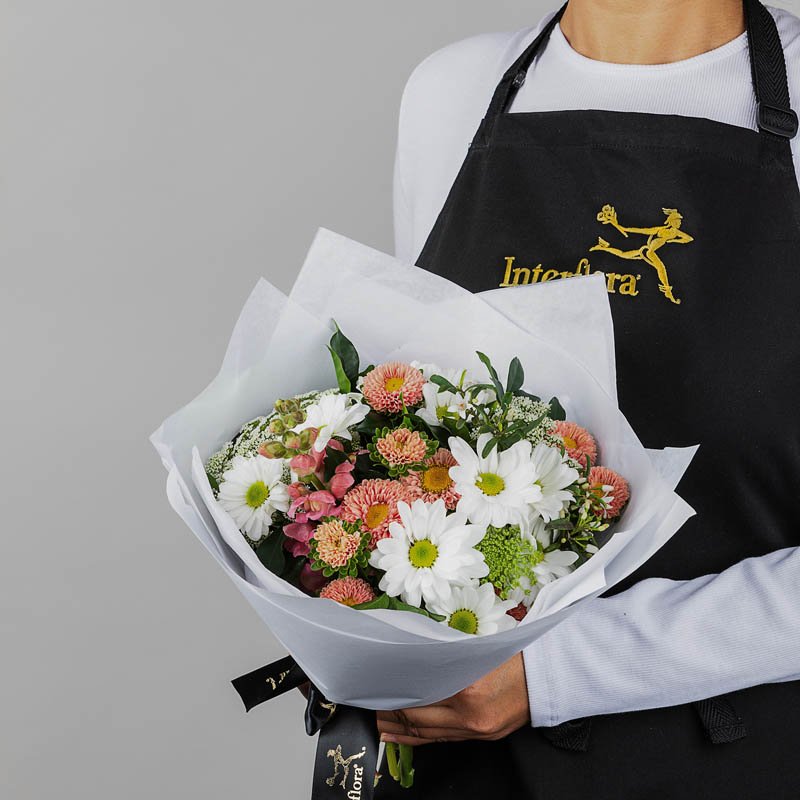 Best value
$69delivery at checkout
View bouquet For home recovery
$184delivery at checkout
View bouquet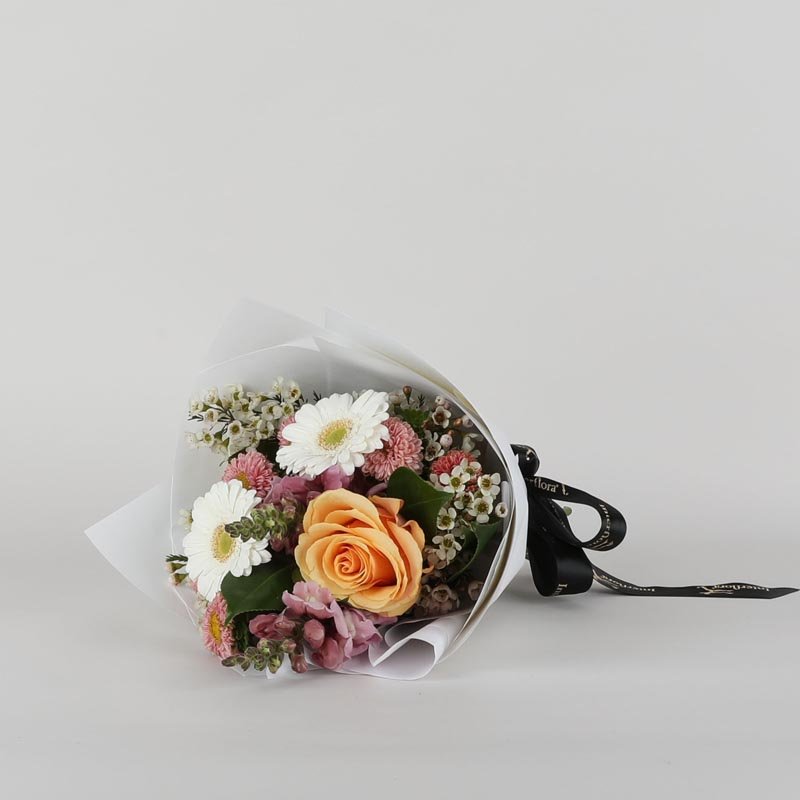 Same day
$79delivery at checkout
View bouquet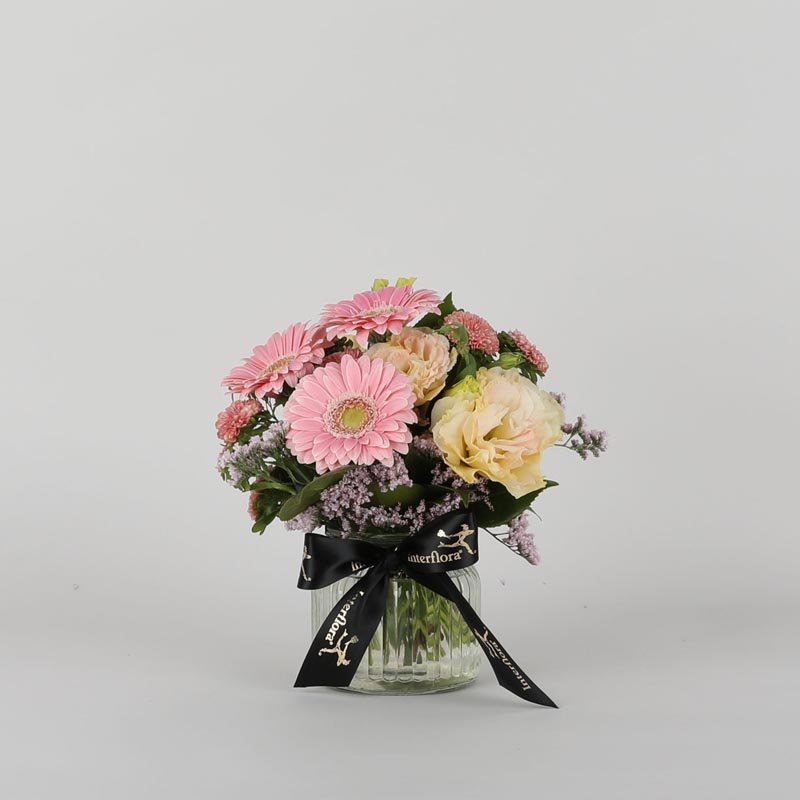 Same day
$74delivery at checkout
View bouquet Same day
$103.95+ $17.95 delivery
View bouquet
$104delivery at checkout
View bouquet
$104delivery at checkout
View bouquetA hospital room is small, shared and sensitive to scent.
No scent, no dropping pollen, and impossible not to smile at.
It sits on a bedside table and needs no vase.
Cheerful, compact and easy to take home.
Strong scent, staining pollen, and toxic to cats once the flowers go home.
There's nowhere to put them, and loose stems need a vase.
Soil is often not allowed, even where cut flowers are.
Send them to the patient's home instead, timed for the day they're discharged or a few days after. Coming home to flowers is a lift, and there's no ward rule to worry about.
Hospital stays are often short. Flowers ordered late in a stay can arrive after the patient has left, so if they're likely to go home within a day or two, send to the house from the start.
A card on its own is always allowed, and it matters more than people think.
Check with the ward first. Many maternity units limit flowers, and most stays are only a day or two.
The better plan is nearly always to send to the home a few days after the birth, when the visitors have slowed down. Choose soft colours and low scent, and skip lilies: the pollen stains and they're toxic to cats.
Keep it light. Tap one to copy it.
Every suburb page lists the nearest hospitals with their distance and a sending tip, alongside what can be delivered there today.
Short, direct answers.
Yes, to most general wards. Intensive care, cancer, transplant and burns units usually don't accept flowers, and some maternity and respiratory wards limit them. Call the ward before you order.
Infection control. Vase water and potting soil carry bacteria and fungal spores that are a risk to patients with weak immune systems. Pollen and strong scent can also affect breathing.
No. ICU and high dependency units don't accept flowers. Send a card, or send flowers to the home for when they're discharged.
Gerberas or a small mixed arrangement in a box or vase. They have little scent, don't shed pollen and need no vase. Avoid lilies.
The patient's full name as admitted, the ward, the bed or room number, the hospital's name and street address, and your own phone number.
Yes, if you order before the cutoff, typically 2pm on weekdays and 10am on Saturdays. 165 of the bouquets we compare can be delivered the same day.
Rarely, and staff don't have time to find one. Send flowers that arrive in their own box or vase.
It depends on the florist and the hospital. The flowers may be returned or redirected, sometimes for an extra fee. If discharge is close, send to the home instead.