Away from fruit
Ripening fruit gives off a gas that ages flowers fast. Carnations and lilies are the most sensitive.
Cut 2cm off the stems at an angle, strip any leaves below the waterline, use a clean vase with the flower food, and change the water every two days. Keep the vase away from fruit, sun and heaters. That routine adds days to any bouquet.
 By GraceLifestyle Editor · Updated
What you do when the flowers arrive decides how long they last.
Vase life with good care. The tip is the thing that matters most for that flower.
| Flower | Lasts | The key tip |
|---|---|---|
| Orchids (cut) | 2 to 3 weeks | Keep them cool and out of draughts. |
| Carnations | 2 to 3 weeks | Keep them well away from fruit. |
| Chrysanthemums | 2 to 3 weeks | Strip the leaves early; they fade before the flowers. |
| Native flowers | 2 to 3 weeks | Change the water often. It clouds quickly. |
| Alstroemeria | About 2 weeks | Pull off spent flowers so the buds behind open. |
| Lilies | 10 to 14 days | Pinch out the pollen tips as each bud opens. |
| Lisianthus | 10 to 14 days | Recut often. The stems are soft. |
| Roses | 7 to 10 days | Recut every two days to prevent drooping heads. |
| Gerberas | 7 to 10 days | Shallow water only, about 5cm. |
| Sunflowers | 6 to 12 days | Deep water, topped up daily. |
| Hydrangeas | 5 to 10 days | If they wilt, soak the whole head in water for 30 minutes. |
| Tulips | 5 to 7 days | Cold water, and expect them to keep growing. |
| Peonies | 5 to 7 days | Warm water to open the buds, then keep them cool. |
Led by carnations, chrysanthemums, orchids and natives: two to three weeks in a vase.
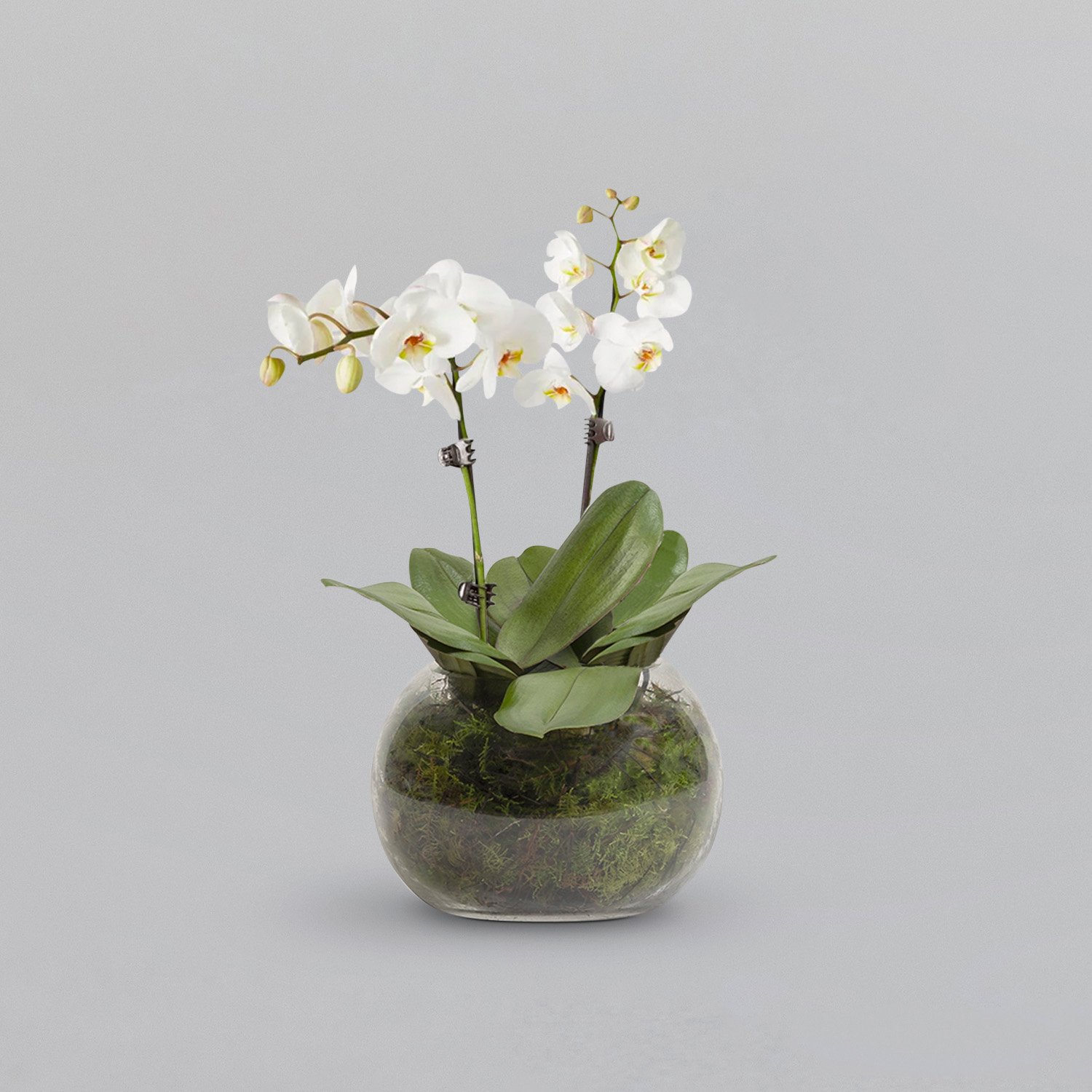 Same day
$149delivery at checkout
View bouquet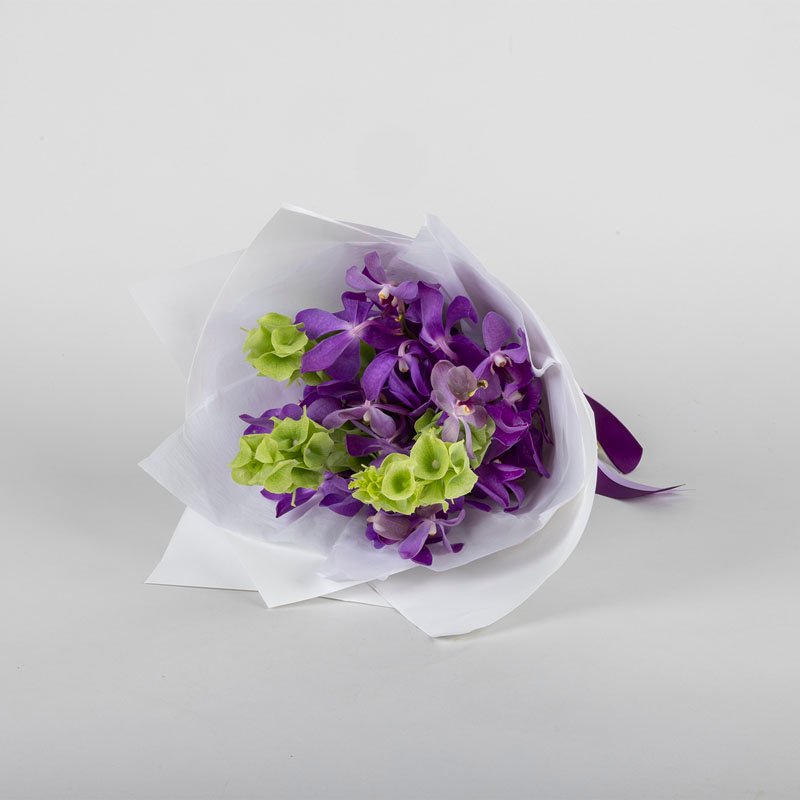
$99delivery at checkout
View bouquet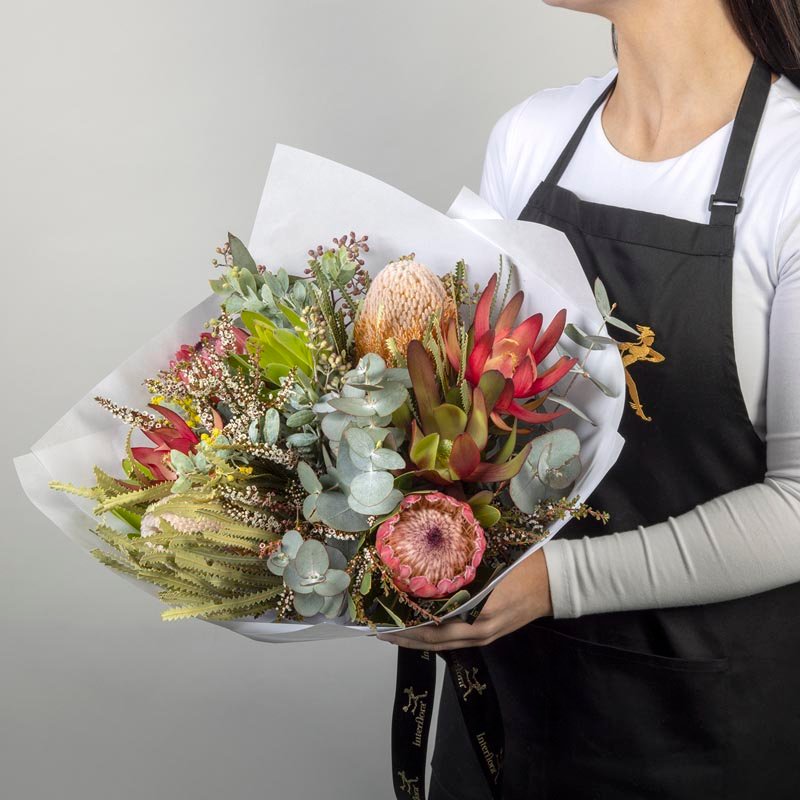
$94delivery at checkout
View bouquet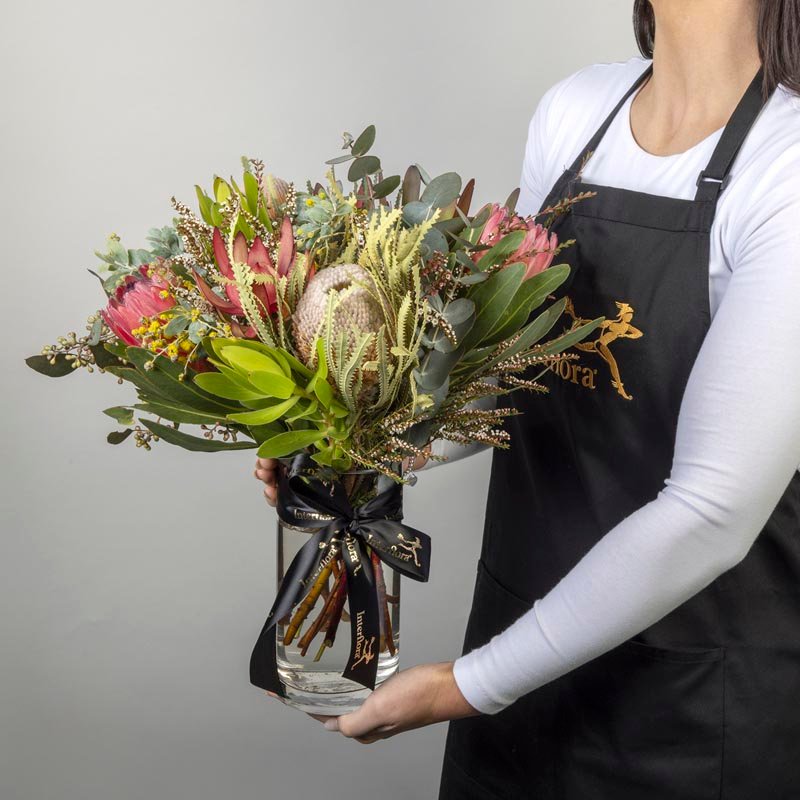
$109delivery at checkout
View bouquet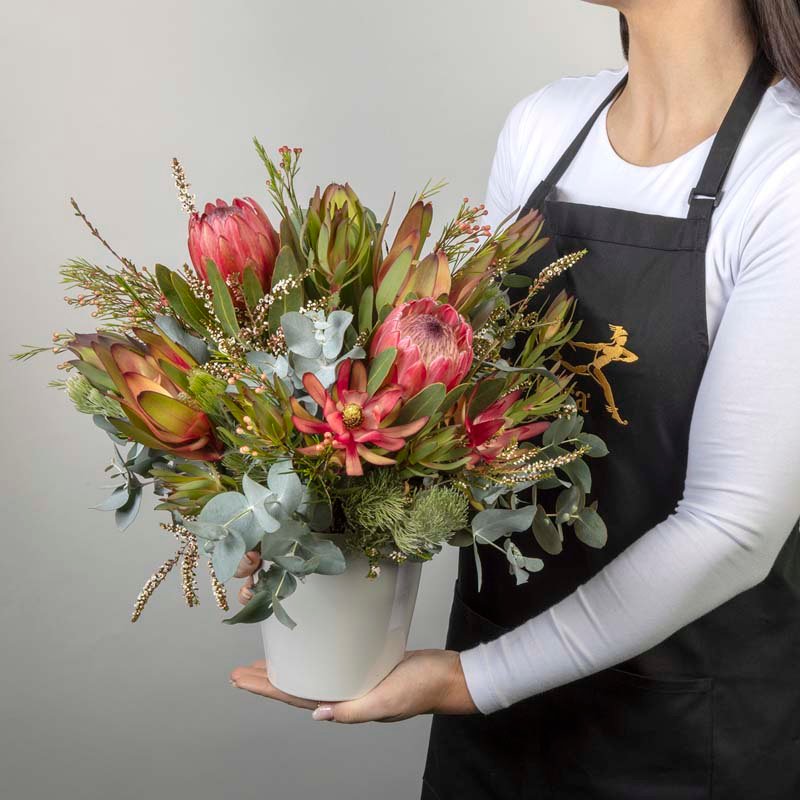
$114delivery at checkout
View bouquet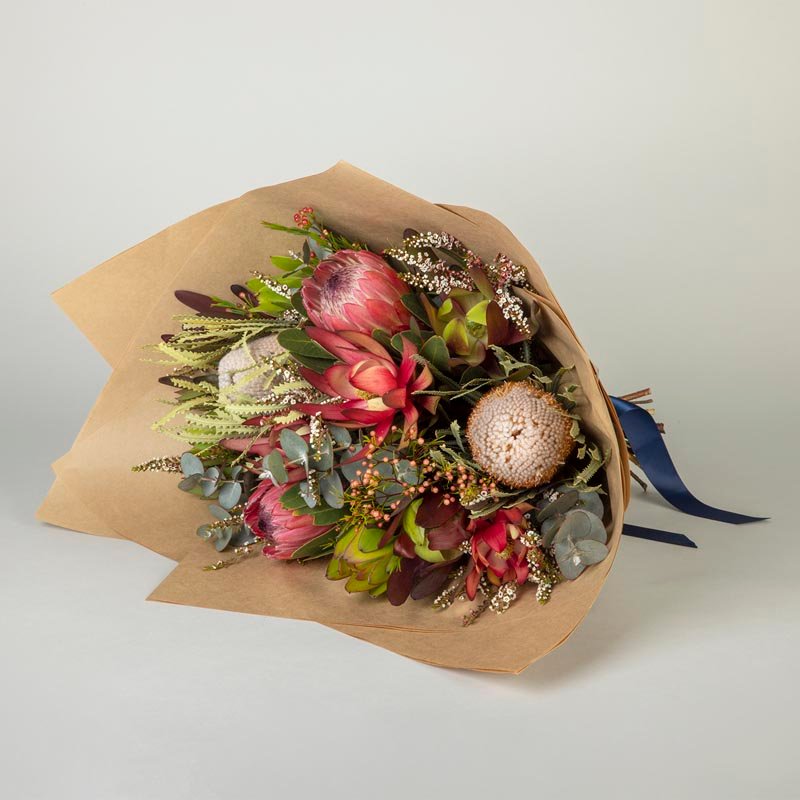
$114delivery at checkout
View bouquet
$119delivery at checkout
View bouquet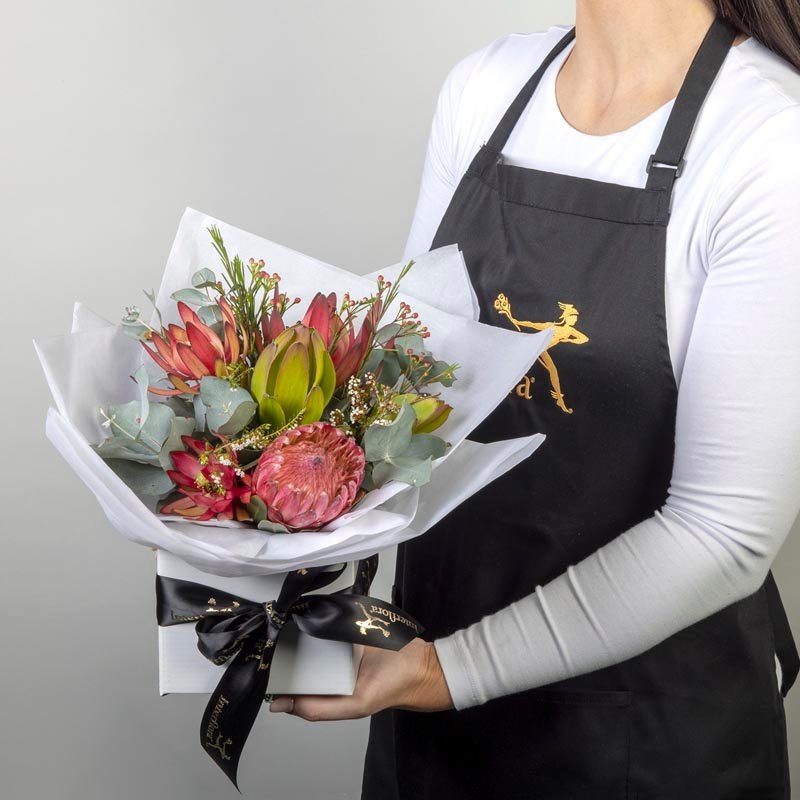
$79delivery at checkout
View bouquetFlowers need three things from the water: sugar for energy, a little acid to help them drink, and something to keep bacteria down.
| Method | Verdict | Why |
|---|---|---|
| The florist's sachet | Works | It contains all three: sugar, acid and a mild disinfectant. |
| Homemade: per litre, 2 tablespoons of lemon juice, 1 tablespoon of sugar, half a teaspoon of bleach | Works | The same three ingredients from the kitchen. |
| A night in the fridge | Works | Cool air slows ageing. Florists store flowers this way. Keep them away from fruit. |
| Lemonade (not diet) | Partly | It has sugar and acid, but nothing to stop bacteria. Add a drop of bleach. |
| Sugar on its own | Makes it worse | It feeds bacteria as well as the flowers. |
| Aspirin | Little effect | It makes the water slightly acidic and nothing more. |
| A copper coin | Myth | Modern coins release almost no copper. |
| Vodka | Not worth it | A few drops may slow bacteria, but it's easy to overdo and harm the stems. |
Position matters as much as water.
Ripening fruit gives off a gas that ages flowers fast. Carnations and lilies are the most sensitive.
A bright room is good. A sunny windowsill cooks them.
Heaters, air-conditioning vents and the top of the television all dry flowers out.
Moving the vase to the coolest room at night can add a day or two.
Most flowers that look finished can be brought back once.
| Problem | Cause | Fix |
|---|---|---|
| Rose heads drooping | An air lock in the stem | Recut 3cm off and lie the whole rose in lukewarm water for 30 to 60 minutes. |
| Cloudy or smelly water | Bacteria | Wash the vase, recut the stems, strip any submerged leaves, refill. |
| Buds won't open | Too cold, or picked very tight | Warm water and a warmer room for a day. |
| Hydrangeas wilting | They lose water through the petals | Soak the whole flower head in cool water for 30 minutes. |
| Tulips flopping | They keep growing and bend towards light | Wrap them in paper, stand in cold water for a few hours, then trim. |
| Brown petal edges | Heat, sun or fruit nearby | Move the vase. Remove the damaged petals. |
| Gerbera stems bending | Water too deep | Recut, use shallow water, and keep the support wire on. |
Cats are the main concern. A few common flowers are dangerous to them.
Short, direct answers.
Recut the stems at an angle, strip leaves below the waterline, use a clean vase with flower food, and change the water every two days. Keep the vase away from fruit, direct sun and heat.
Every two days. Recut a centimetre from each stem at the same time.
Only with something to control bacteria. Sugar alone feeds bacteria and shortens the life of the flowers. Use the florist's sachet, or sugar with lemon juice and a few drops of bleach.
Yes, in tiny amounts. About half a teaspoon per litre keeps bacteria down. More than that damages the stems.
Cool to lukewarm for most flowers. Use cold water for tulips and other bulb flowers, and warm water to open tight peony or lily buds.
Yes. Cool temperatures slow ageing, and florists store flowers this way. Keep them away from fruit and vegetables.
Usually bacteria in the vase, a warm spot, or fruit nearby. A dirty vase and unchanged water are the most common causes.
Orchids, carnations, chrysanthemums and native flowers all last two to three weeks. Peonies and tulips are the shortest lived, at five to seven days.